
What You Need to Know
Uganda is a landlocked East African nation known for its fertile landscapes, youthful population, and central role in regional trade and security. Often called the “Pearl of Africa,” Uganda spans lakes, savannahs, forests, and mountain ranges, supporting agriculture, tourism, and biodiversity. Long shaped by trade routes, post-independence political change, and regional integration, Uganda continues to balance economic growth, demographic pressure, and governance reform.
Uganda at a Glance
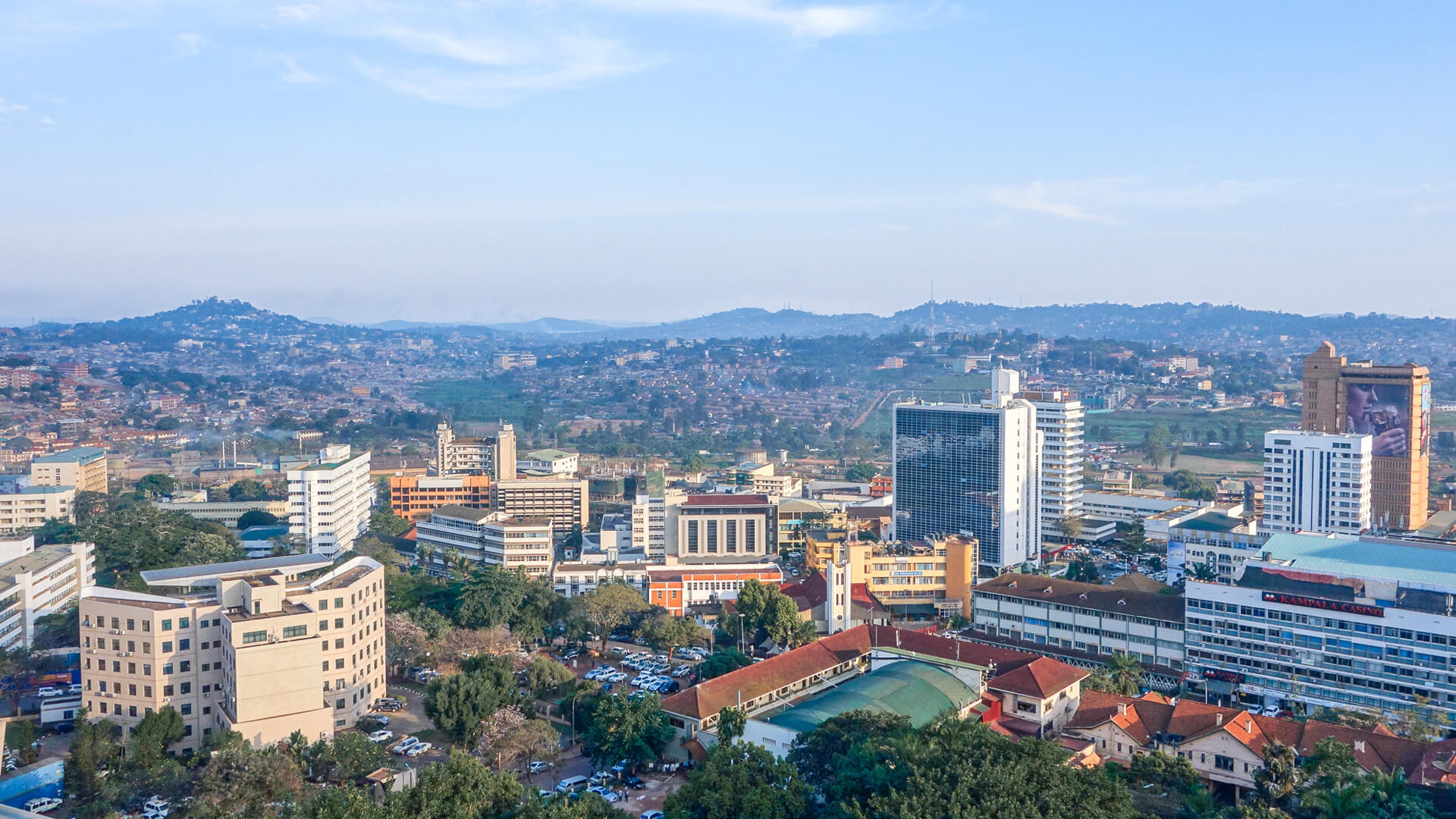
Capital: Kampala
Population: ~48–49 million
Official Languages: English, Swahili
Government: Presidential republic
Economy: Agriculture- and services-led, with energy and manufacturing emerging
Key Strengths: Fertile land, freshwater resources, young population
Regional Role: Trade, transport, and security hub in East Africa
Why Uganda Matters
Uganda matters because of its demographic scale, agricultural capacity, and strategic location at the heart of East Africa. As a key transit country connecting Kenya, Rwanda, South Sudan, and the Democratic Republic of Congo, Uganda plays a central role in regional trade and logistics. Its population growth and natural resources make Uganda’s development path influential across the East African Community.
Geography and Location
Uganda is located in East Africa, bordered by Kenya to the east, South Sudan to the north, the Democratic Republic of Congo to the west, Rwanda to the southwest, and Tanzania to the south. Much of the southern border is defined by Lake Victoria—Africa’s largest lake.
The country’s geography includes fertile plateaus, wetlands, lakes, and mountain ranges such as the Rwenzori Mountains. The White Nile flows northward from Lake Victoria, shaping agriculture, hydropower, and settlement.
People and Society
Uganda has a population of approximately 48–49 million people and is one of the world’s youngest societies. It is ethnically diverse, with Baganda, Banyankole, Basoga, Acholi, Langi, and many other communities.
English is the primary official language, while Swahili is increasingly used in regional trade and security. Christianity is the predominant religion, alongside Islam and traditional beliefs.
Urbanization is accelerating, particularly in and around Kampala, while rural livelihoods remain heavily tied to farming.
A Brief Historical Context
Pre-colonial Uganda was home to organized kingdoms, most notably Buganda, which played a central role in regional politics and trade. Britain established control in the late 19th century, governing Uganda as a protectorate.
Uganda gained independence in 1962. Subsequent decades included political instability and authoritarian rule, particularly under Idi Amin in the 1970s. Since the late 1980s, the country has experienced relative stability under centralized leadership, alongside ongoing debates over political openness and reform.
Government and Politics
Uganda is a presidential republic with a strong executive branch. Elections are regularly held, though political competition and civil liberties remain contested topics.
Governance priorities include economic management, infrastructure development, security, and managing rapid population growth.
Economy: Agriculture, Energy, and Growth
Uganda’s economy is anchored in agriculture, which employs a large share of the population. Key products include coffee—Uganda’s leading export—alongside tea, maize, and bananas.
Other important growth areas include:
Energy and hydropower
Manufacturing and agro-processing
Services and telecommunications
Oil and gas development around Lake Albert
Balancing growth with environmental protection and inclusive employment remains a central challenge.
Trade, Diplomacy, and Regional Influence
Uganda is an active member of the East African Community (EAC) and plays a prominent role in regional security and peacekeeping efforts. Its transport corridors and markets are critical to regional integration and commerce.
Tourism and Natural Heritage
Tourism is an important and growing sector. Uganda is one of the few countries where visitors can see mountain gorillas in the wild, particularly in Bwindi Impenetrable Forest.
National parks, lakes, waterfalls, and cultural tourism contribute to Uganda’s appeal as a nature and adventure destination.
Safety and Travel Considerations
Uganda is generally accessible for travelers, especially in major cities and tourist regions. Conditions vary by area, and travelers are advised to follow official guidance and local updates, particularly near border regions.
Culture and Daily Life
Ugandan culture emphasizes community, hospitality, and music. Dance, storytelling, and ceremony remain important across ethnic groups.
Daily life centers on family, agriculture, markets, and small enterprises, with strong informal networks supporting livelihoods.
Sports and National Identity
Football is Uganda’s most popular sport and a major source of national pride. Athletics and boxing are also widely followed, contributing to youth engagement and national identity.