
What You Need to Know
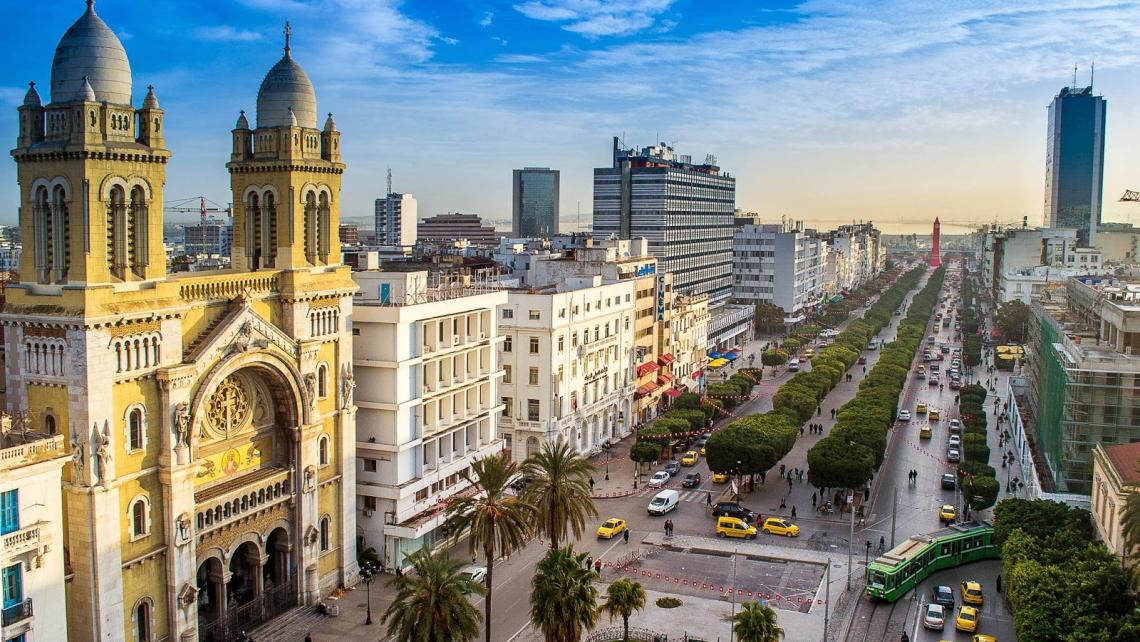
Tunisia is a North African nation with deep Mediterranean roots, a long tradition of state institutions, and a strategic position linking Africa, Europe, and the Middle East. From ancient Carthage to modern Tunis, Tunisia has been shaped by trade, learning, and civic life. Today, the country is navigating economic strain and political change while remaining an important cultural, economic, and diplomatic actor in the Maghreb.
Tunisia at a Glance
Capital: Tunis
Population: ~12–13 million
Official Language: Arabic
Government: Presidential republic
Economy: Diversified, with services, manufacturing, and agriculture
Key Strengths: Educated workforce, proximity to Europe, industrial base
Regional Role: Mediterranean bridge between North Africa and Europe
Why Tunisia Matters
Tunisia matters because of its human capital, geography, and historical role as a crossroads of civilizations. Its proximity to Europe, skilled labor force, and manufacturing capacity have made it a key partner in Mediterranean trade and investment. Tunisia’s political and economic direction also carries symbolic weight, given its role in recent regional political movements.
Geography and Location
Tunisia is located in North Africa, bordered by Algeria to the west, Libya to the southeast, and the Mediterranean Sea to the north and east.
The country’s geography ranges from fertile coastal plains and rolling hills in the north to semi-arid steppe and Sahara Desert landscapes in the south. This diversity supports agriculture, tourism, and renewable energy development.
People and Society
Tunisia has a population of approximately 12–13 million people. Society reflects Arab, Amazigh, Mediterranean, and African influences shaped by centuries of migration and exchange.
Arabic is the official language, with French widely used in education, business, and administration. Islam is the predominant religion, practiced alongside small Christian and Jewish communities.
Urbanization is high, with Tunis, Sfax, and Sousse serving as major economic and cultural centers.
A Brief Historical Context
Tunisia’s history includes ancient Carthaginian civilization, Roman rule—visible in sites such as El Djem—and centuries of Arab-Islamic governance. It later became part of the Ottoman Empire.
France established a protectorate in the late 19th century. Tunisia gained independence in 1956 and developed strong state institutions under centralized leadership.
In 2011, Tunisia was the birthplace of the Arab Spring, initiating a period of political transformation whose outcomes continue to evolve.
Government and Politics
Tunisia is a presidential republic with power concentrated in the executive branch. Political institutions have undergone significant change in recent years, accompanied by debate over governance, economic reform, and civil liberties.
Stability, institutional effectiveness, and economic recovery are central political concerns.
Economy: Industry, Services, and Pressure
Tunisia has a diversified economy relative to regional peers. Manufacturing—particularly automotive components, electronics, and textiles—plays a major role alongside tourism and agriculture.
Key economic sectors include:
Manufacturing and industrial exports
Tourism and hospitality
Agriculture (olive oil, dates)
Services and professional sectors
Macroeconomic pressures, unemployment, and public finance challenges remain significant constraints.
Trade, Diplomacy, and Regional Influence
Tunisia maintains strong economic and diplomatic ties with Europe and is an active member of the African Union, Arab League, and regional Mediterranean forums.
Its location and trade agreements position it as an important manufacturing and export platform for European and African markets.
Tourism and Cultural Heritage
Tourism is a vital sector, drawing visitors to Tunisia’s beaches, deserts, and archaeological heritage. UNESCO World Heritage Sites such as Carthage, El Djem, and Kairouan highlight the country’s global historical significance.
Cultural, coastal, and desert tourism all contribute to the sector’s resilience.
Safety and Travel Considerations
Tunisia is generally accessible for travelers, particularly in major cities and established tourist areas. Travelers are advised to follow official guidance and exercise caution, especially near border regions.
Culture and Daily Life
Tunisian culture blends Mediterranean and Arab traditions, expressed through cuisine, music, literature, and public life. Cafés, markets, and family networks are central to daily routines.
Education and civic engagement have long been important features of society.
Sports and National Identity
Football is Tunisia’s most popular sport and a major source of national pride. The national team’s regular presence in international competitions reinforces unity and global visibility.