
What You Need to Know
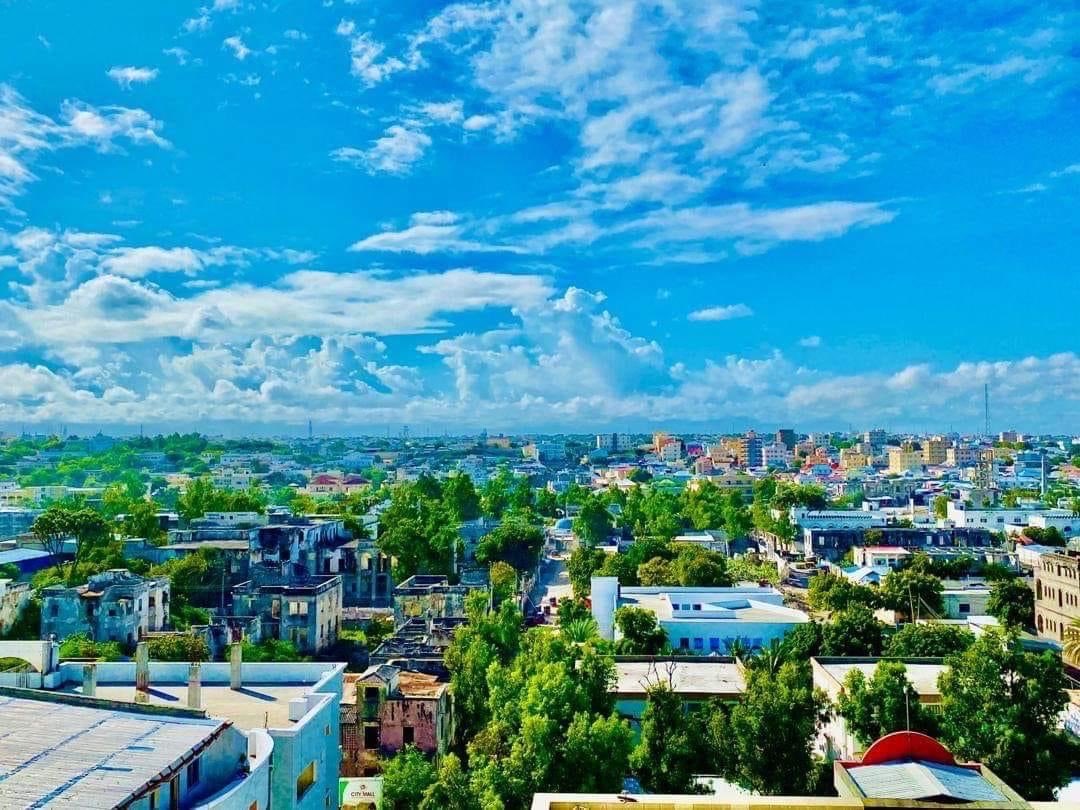
Somalia is a Horn of Africa nation with a long Indian Ocean coastline, deep trading heritage, and a society shaped by resilience and entrepreneurship. Stretching from the Gulf of Aden to the equator, Somalia has historically connected Africa, the Middle East, and Asia through commerce and migration. After decades of conflict and state collapse, the country is rebuilding political institutions and infrastructure while navigating security challenges and a complex federal landscape.
Somalia at a Glance
Capital: Mogadishu
Population: ~18–19 million
Official Languages: Somali, Arabic
Government: Federal parliamentary republic
Economy: Livestock- and services-led, with remittances
Key Strengths: Long coastline, livestock trade, entrepreneurial diaspora
Regional Role: Strategic Horn of Africa and Red Sea–Indian Ocean corridor state
Why Somalia Matters
Somalia matters because of its strategic geography and demographic energy. Sitting along one of the world’s busiest maritime corridors, Somalia influences Red Sea and Indian Ocean security, trade, and migration. Its large diaspora, strong private sector activity, and gradual political reconstruction make Somalia’s trajectory central to stability and economic integration in the Horn of Africa.
Geography and Location
Somalia is located in the Horn of Africa, bordered by Djibouti to the northwest, Ethiopia to the west, Kenya to the southwest, the Gulf of Aden to the north, and the Indian Ocean to the east.
The country’s geography includes arid and semi-arid plains, seasonal rivers (the Jubba and Shabelle), and more than 3,000 kilometers of coastline—the longest on mainland Africa. This coastline underpins fisheries, ports, and maritime trade.
People and Society
Somalia has a population of approximately 18–19 million people, united by a shared language and culture but organized through clan and sub-clan affiliations that shape social and political life.
Somali is spoken nationwide, with Arabic used in religious and formal contexts. Islam is the predominant religion and a central pillar of social identity. Urbanization is increasing, with Mogadishu, Hargeisa, and Bosaso serving as major economic centers.
Remittances from the Somali diaspora play a critical role in household incomes and the broader economy.
A Brief Historical Context
Somalia’s coastal cities were integral to ancient and medieval Indian Ocean trade networks. In the late 19th and early 20th centuries, the territory was divided between British and Italian colonial administrations.
Somalia gained independence in 1960 and later experienced centralized military rule. The collapse of the state in 1991 led to prolonged conflict and fragmentation. Since the early 2000s, Somali-led reconciliation processes, supported by regional and international partners, have gradually rebuilt federal institutions.
Government and Politics
Somalia is a federal parliamentary republic composed of a federal government and several federal member states. Governance remains uneven, with varying levels of authority and security across regions.
Political priorities include completing constitutional reforms, strengthening federal-state relations, improving security, and expanding service delivery.
Economy: Livestock, Trade, and Remittances
Somalia’s economy is largely private-sector driven. Livestock exports—particularly to Gulf markets—are the backbone of the economy, alongside trade, telecommunications, and money transfer services.
Key economic features include:
Livestock and pastoralism
Telecommunications and mobile money
Remittances from the diaspora
Informal trade and entrepreneurship
Agriculture and fisheries hold significant untapped potential, dependent on improved security and infrastructure.
Trade, Diplomacy, and Regional Influence
Somalia is a member of the African Union and the Intergovernmental Authority on Development (IGAD). Its ports—such as Mogadishu, Berbera, and Bosaso—are increasingly important for regional trade and logistics.
Somalia’s stability is closely tied to regional security dynamics in the Horn of Africa.
Tourism and Cultural Heritage
Tourism in Somalia is currently limited due to security conditions, but the country has notable cultural and natural assets. These include pristine beaches, coral reefs, and ancient rock art at Laas Geel—one of Africa’s most significant archaeological sites.
Long-term tourism potential depends on sustained peace and infrastructure development.
Safety and Travel Considerations
Security conditions vary significantly by region. Many areas face ongoing risks related to insurgency and crime. Most international travel advisories recommend avoiding non-essential travel. Any travel requires careful planning and up-to-date local guidance.
Culture and Daily Life
Somali culture places strong emphasis on poetry, oral tradition, hospitality, and community. Commerce and entrepreneurship are deeply embedded in daily life, reflecting adaptability developed over centuries of trade and migration.
Family networks and clan structures continue to shape social organization and support systems.
Sports and National Identity
Football is Somalia’s most popular sport and a unifying source of national pride. Athletics and community sports also play important roles in youth engagement and social cohesion.