
What You Need to Know
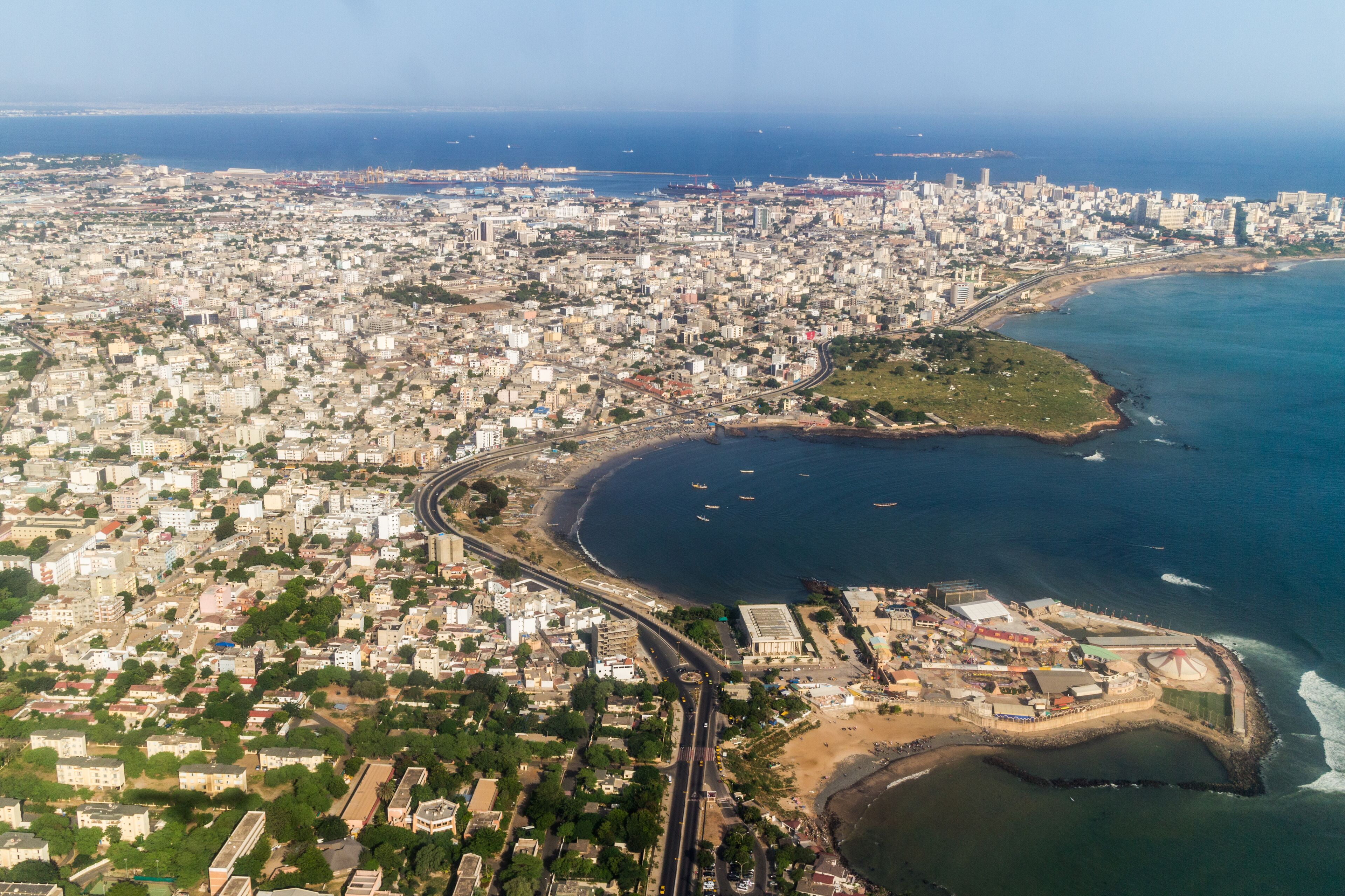
Senegal is a coastal West African nation known for its political stability, cultural influence, and strategic Atlantic location. Anchored by Dakar—one of Africa’s most important port cities—Senegal has long served as a bridge between Africa, Europe, and the Americas. With a strong democratic tradition, vibrant creative industries, and growing role in regional trade and energy, Senegal is positioning itself as a key driver of West Africa’s economic and diplomatic future.
Senegal at a Glance
Capital: Dakar
Population: ~18–19 million
Official Language: French
Government: Presidential republic
Economy: Services- and agriculture-led, with energy emerging
Key Strengths: Political stability, port infrastructure, cultural influence
Regional Role: Diplomatic, economic, and cultural anchor in West Africa
Why Senegal Matters
Senegal matters because of its consistency and connectivity. As one of West Africa’s most stable democracies, the country plays an outsized role in regional diplomacy, peacekeeping, and economic coordination. Dakar’s position as a transport, communications, and intellectual hub amplifies Senegal’s influence across francophone Africa and beyond.
Geography and Location
Senegal is located in West Africa, bordered by Mauritania to the north, Mali to the east, Guinea to the southeast, Guinea-Bissau to the southwest, and the Atlantic Ocean to the west. The Gambia runs inland through the center of the country, creating a unique geographic feature.
The country’s landscape includes coastal plains, savannahs, river systems, and wetlands. The Senegal and Casamance rivers support agriculture, fisheries, and settlement.
People and Society
Senegal has a population of approximately 18–19 million people and is ethnically diverse. Major groups include the Wolof, Pulaar (Fulani), Serer, Jola, and Mandinka.
French is the official language, while Wolof is widely spoken as a lingua franca alongside many national languages. Islam is the predominant religion, practiced alongside Christianity and traditional beliefs in a long-standing culture of religious coexistence.
Urbanization is high, particularly around Dakar and Thiès, while rural communities remain closely tied to agriculture and fishing.
A Brief Historical Context
The territory that is now Senegal was home to powerful pre-colonial states and was deeply integrated into trans-Saharan and Atlantic trade networks. Coastal areas played a central role in the transatlantic slave trade, most notably Gorée Island, now a UNESCO World Heritage Site.
France colonized Senegal in the 19th century, making Dakar the capital of French West Africa. Senegal gained independence in 1960 and has since maintained a strong record of civilian rule and democratic governance.
Government and Politics
Senegal is a presidential republic with a competitive multiparty system. Peaceful transfers of power and an active civil society have reinforced democratic institutions.
Political discourse focuses on economic reform, youth employment, governance, and managing rapid urban growth.
Economy: Services, Trade, and Emerging Energy
Senegal’s economy is driven by services, agriculture, and trade. Key sectors include transport and logistics, telecommunications, construction, and agribusiness.
Recent offshore oil and gas discoveries are expected to add a new dimension to the economy, alongside ongoing investments in infrastructure, energy, and industrial zones.
Trade, Diplomacy, and Regional Influence
Senegal is an active member of the Economic Community of West African States (ECOWAS) and plays a prominent role in African diplomacy and peacekeeping missions.
Dakar hosts international institutions, regional headquarters, and global forums, reinforcing Senegal’s reputation as a diplomatic and intellectual center.
Tourism and Cultural Heritage
Tourism in Senegal blends history, culture, and nature. Highlights include Gorée Island, the pink waters of Lac Rose, the Sine-Saloum Delta, and the historic city of Saint-Louis.
Music, festivals, cuisine, and contemporary art are central to Senegal’s tourism and global cultural appeal.
Safety and Travel Considerations
Senegal is generally considered safe for visitors, with well-developed tourism and transport infrastructure. Travelers are advised to exercise normal caution, particularly in busy urban areas.
Culture and Daily Life
Senegalese culture emphasizes teranga—a deep tradition of hospitality. Music, dance, fashion, literature, and cuisine play central roles in daily life, with Senegal exerting major cultural influence across Africa and the diaspora.
Daily rhythms often center on family, markets, religious life, and community gatherings.
Sports and National Identity
Football is Senegal’s most popular sport and a major source of national pride. The national team’s international success has strengthened unity and visibility, while wrestling (laamb) remains a uniquely Senegalese sporting tradition.