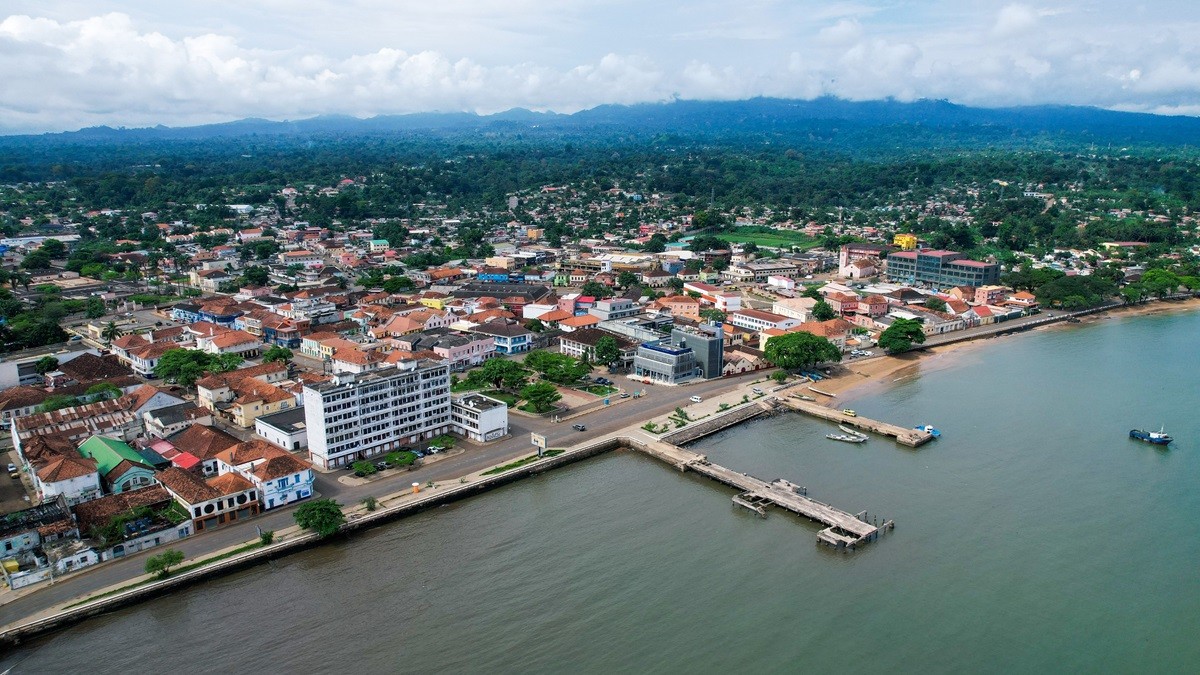

What You Need to Know
São Tomé and Príncipe is a small island nation in the Gulf of Guinea, off Central Africa’s west coast, known for its political stability, lush ecosystems, and cocoa heritage. Comprising two main islands and several islets, the country has pursued democratic governance and conservation-led development while exploring opportunities in tourism, fisheries, and the blue economy.
São Tomé and Príncipe at a Glance
Capital: São Tomé
Population: ~230,000
Official Language: Portuguese
Government: Semi-presidential republic
Economy: Agriculture- and services-led, with tourism and fisheries
Key Strengths: Political stability, biodiversity, premium cocoa, ocean resources
Regional Role: Stable Gulf of Guinea island state with environmental significance
Why São Tomé and Príncipe Matters
São Tomé and Príncipe matters for its record of democratic continuity and its role as a conservation and sustainability showcase in the Gulf of Guinea. With limited land and resources, the country’s development path emphasizes environmental protection, high-value agriculture, and eco-tourism—offering lessons for small island and coastal states across Africa.
Geography and Location
São Tomé and Príncipe is located in the Gulf of Guinea, roughly 250 kilometers off the coast of Central Africa. The country consists primarily of the islands of São Tomé and Príncipe, along with smaller islets.
Both islands are of volcanic origin, featuring dense rainforests, rugged peaks, and fertile soils. The equator passes just south of São Tomé at Ilhéu das Rolas, a notable geographic landmark.
People and Society
The country has a population of approximately 230,000 people, shaped by African, Portuguese, and Creole influences. Most residents live on São Tomé island.
Portuguese is the official language, while several Portuguese-based creole languages are widely spoken. Christianity is the predominant religion, alongside traditional beliefs.
Community ties are strong, and social life is closely connected to family, agriculture, and coastal livelihoods.
A Brief Historical Context
Uninhabited before Portuguese arrival in the late 15th century, São Tomé and Príncipe developed as a plantation economy based on sugar and later cocoa, relying on enslaved and contract labor from mainland Africa.
The country gained independence from Portugal in 1975. Since then, it has maintained a strong democratic record relative to its size, with peaceful transfers of power and pluralistic politics.
Government and Politics
São Tomé and Príncipe is a semi-presidential republic with an elected president and parliament. While governments have changed frequently, political competition has remained largely peaceful.
Governance priorities include economic diversification, fiscal stability, and strengthening public services.
Economy: Cocoa, Tourism, and the Blue Economy
The economy is small and open, centered on agriculture and services. Cocoa remains the flagship export, increasingly marketed as high-quality, ethical, and organic.
Other key economic areas include:
Tourism and eco-lodges
Fisheries and marine resources
Small-scale agriculture and food production
Development of the blue economy
Limited infrastructure and external dependence remain challenges, but niche, high-value sectors offer opportunity.
Trade, Diplomacy, and Regional Influence
São Tomé and Príncipe is a member of the African Union and the Economic Community of Central African States (ECCAS). Its maritime location gives it relevance in Gulf of Guinea security, fisheries management, and environmental cooperation.
The country maintains close ties with Portugal and Lusophone partners.
Tourism and Natural Heritage
Tourism is emerging as a key growth sector. Príncipe Island is a UNESCO Biosphere Reserve, known for pristine forests and beaches. Obô Natural Park on São Tomé protects rich rainforest ecosystems.
Eco-tourism and low-impact travel are central to the country’s tourism strategy.
Safety and Travel Considerations
São Tomé and Príncipe is generally considered safe and welcoming for visitors. Infrastructure is limited, particularly outside the capital, so travelers should plan carefully and rely on local guidance.
Culture and Daily Life
Culture reflects Creole traditions expressed through music, dance, cuisine, and storytelling. Cocoa farming, fishing, and small-scale trade shape daily rhythms.
Community life is relaxed and closely tied to the natural environment.
Sports and National Identity
Football is the most popular sport and a key source of national pride. Community sports and coastal activities also play important roles in social life and youth engagement.