
What You Need to Know
Rwanda is a small, landlocked nation in East Africa widely recognized for its rapid recovery, strong governance, and development-focused vision. Often called the “Land of a Thousand Hills,” Rwanda has leveraged stability, institutional reform, and long-term planning to reposition itself as a regional hub for services, technology, and conferences. Its post-genocide transformation has made Rwanda one of Africa’s most closely watched development stories.
Rwanda at a Glance
Capital: Kigali
Population: ~14–15 million
Official Languages: Kinyarwanda, English, French, Swahili
Government: Presidential republic
Economy: Services- and agriculture-led with growing technology sector
Key Strengths: Governance capacity, safety, tourism, human capital
Regional Role: Reform-oriented development model in East Africa
Why Rwanda Matters
Rwanda matters because of how decisively it has pursued reconstruction, unity, and institutional effectiveness following one of the 20th century’s worst tragedies. Its emphasis on governance, accountability, and economic planning has delivered measurable gains in health, education, and infrastructure. Rwanda’s experience continues to shape debates about development pathways, state capacity, and reconciliation across Africa.
Geography and Location
Rwanda is located in East Africa, bordered by Uganda to the north, Tanzania to the east, Burundi to the south, and the Democratic Republic of Congo to the west.
The country’s terrain is hilly and mountainous, with fertile volcanic soils in the northwest and Lake Kivu along the western border. This geography supports agriculture and tourism while also influencing dense settlement patterns.
People and Society
Rwanda has a population of approximately 14–15 million people, making it one of Africa’s most densely populated countries. Kinyarwanda is spoken nationwide and serves as a unifying language.
Christianity is the predominant religion, alongside Islam and other beliefs. Rwanda’s population is young, and investments in education, health, and gender inclusion have reshaped social and economic participation.
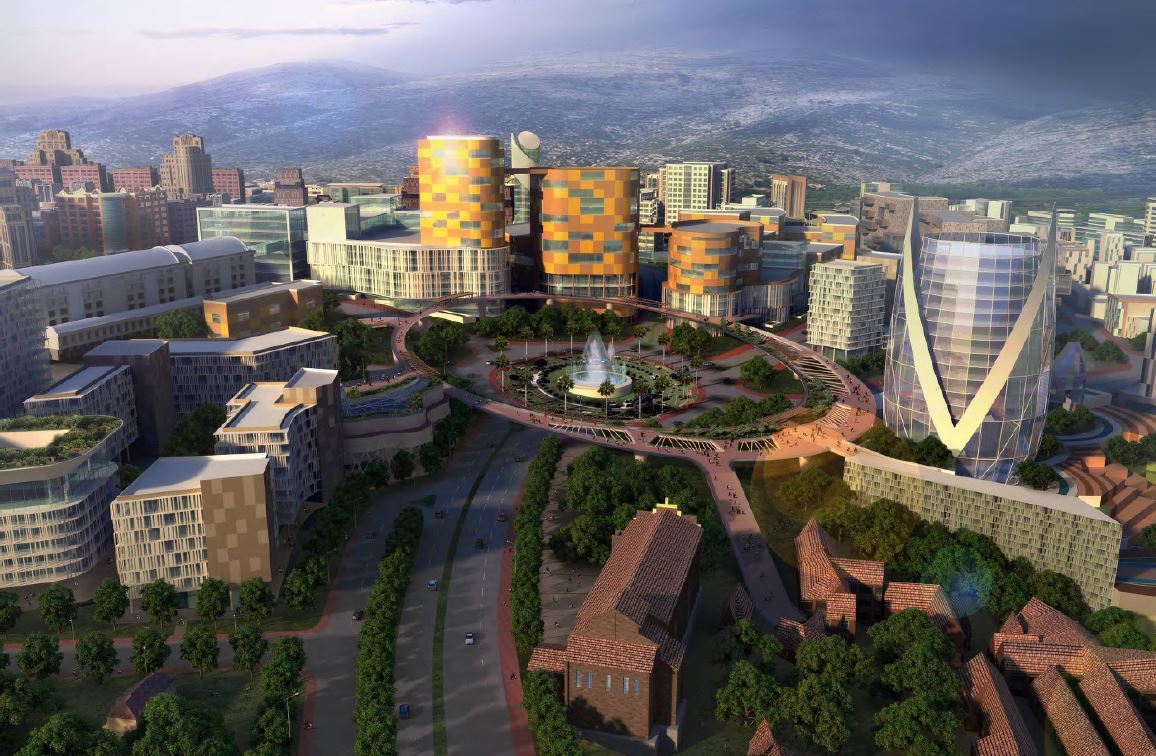
Urbanization is increasing, with Kigali emerging as a clean, well-planned capital city.
A Brief Historical Context
Rwanda’s pre-colonial history included centralized kingdoms with strong social organization. German and later Belgian colonial rule deepened ethnic divisions, with lasting consequences.
In 1994, Rwanda experienced a genocide that resulted in the deaths of approximately 800,000 people. The aftermath marked a profound national turning point.
Since then, Rwanda has focused on reconciliation, justice, and rebuilding institutions, establishing one of Africa’s most centralized and policy-driven states.
Government and Politics
Rwanda is a presidential republic with a strong central government. Political stability and policy continuity have supported development, though political space is tightly managed.
Governance priorities include economic transformation, service delivery, and maintaining national unity.
Economy: Services, Agriculture, and Vision
Rwanda’s economy is driven by services, agriculture, and tourism. Coffee and tea remain important exports, while conferences, aviation, and digital services have grown rapidly.
Key economic focus areas include:
Business and conference tourism
Information and communication technology
Value-added agriculture
Manufacturing and logistics
Long-term planning frameworks guide development and investment.
Trade, Diplomacy, and Regional Influence
Rwanda is a member of the East African Community (EAC) and has positioned itself as a convening hub for regional and global forums. Kigali hosts international conferences and serves as a base for regional organizations.
The country plays an active role in peacekeeping and regional diplomacy.
Tourism and Natural Heritage
Tourism is one of Rwanda’s most visible success stories. Gorilla trekking in Volcanoes National Park is a flagship attraction, alongside Nyungwe Forest and Lake Kivu.
High-value, low-impact tourism supports conservation and community development while contributing significantly to national revenue.
Safety and Travel Considerations
Rwanda is widely regarded as one of Africa’s safest countries for travelers, with strong public order and reliable infrastructure. Visitors are advised to follow local regulations and cultural norms.
Culture and Daily Life
Rwandan culture emphasizes unity, discipline, and community responsibility. Traditional music, dance, and storytelling remain important, alongside a modern, forward-looking national identity.
Daily life is shaped by strong local governance, community service initiatives, and a focus on cleanliness and order.
Sports and National Identity
Football and cycling are popular sports in Rwanda, with cycling gaining prominence through international competitions. Sport plays a role in youth engagement and national pride.