
What You Need to Know
Morocco is a key North African nation shaped by centuries of trade, cultural exchange, and strategic positioning between Africa, Europe, and the Middle East. With Atlantic and Mediterranean coastlines, historic imperial cities, and a diversified economy, Morocco plays an influential role in regional diplomacy, trade, and investment. Long rooted in monarchy and tradition, the country is pursuing modernization, infrastructure expansion, and economic diversification while maintaining political continuity.
Morocco at a Glance
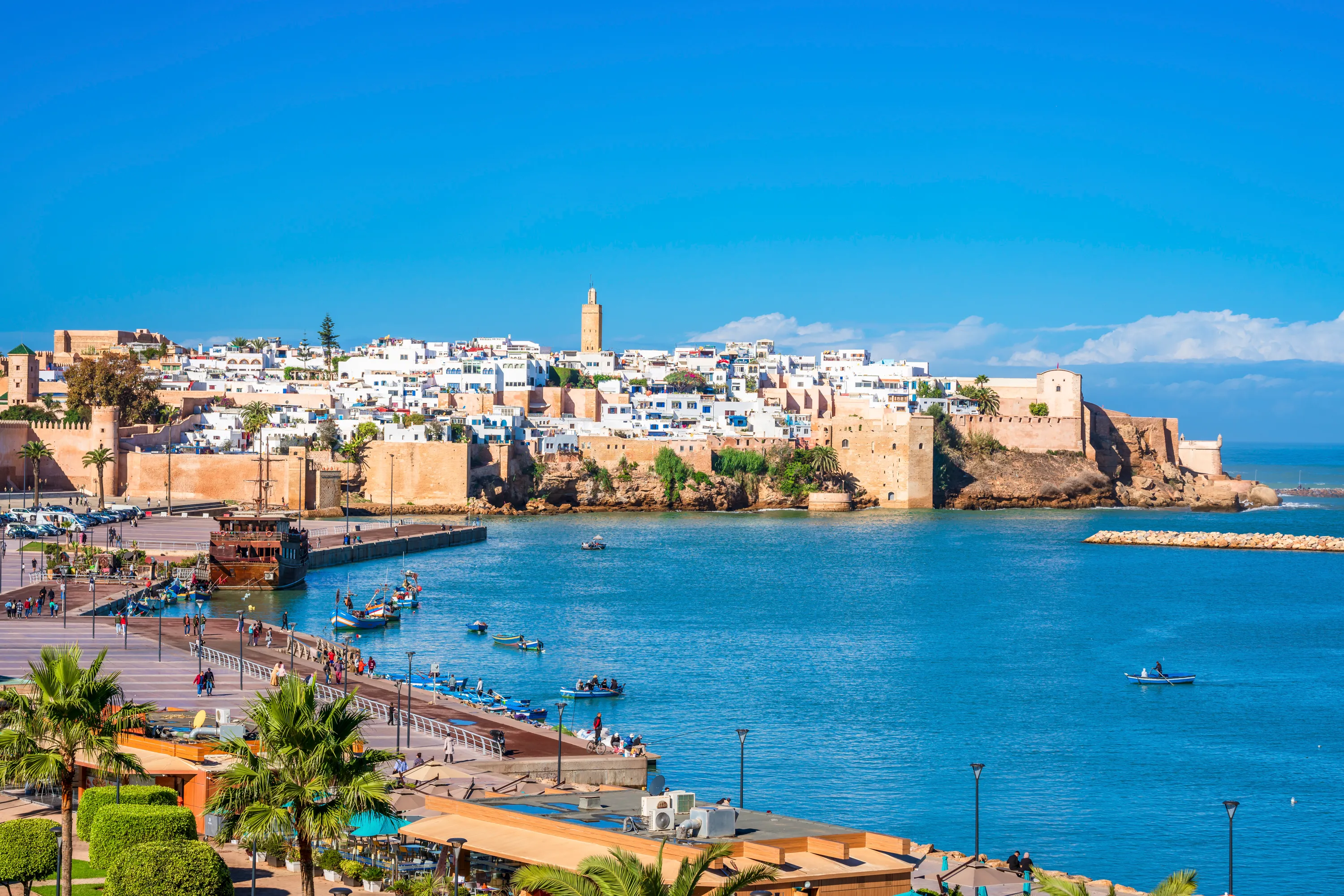
Capital: Rabat
Population: ~37–38 million
Official Languages: Arabic, Amazigh
Government: Constitutional monarchy
Economy: Diversified, with manufacturing, agriculture, services, and tourism
Key Strengths: Strategic location, automotive and aerospace industries, renewable energy
Regional Role: Political and economic bridge between Africa, Europe, and the Arab world
Why Morocco Matters
Morocco matters because of its stability, connectivity, and economic ambition. As a major gateway between Europe and Africa, the country has positioned itself as a hub for manufacturing, logistics, and investment into the continent. Its diplomatic reach across Africa, Europe, and the Middle East, combined with large-scale infrastructure projects, gives Morocco significant regional and global influence.
Geography and Location
Morocco is located in North Africa, bordered by the Atlantic Ocean and Mediterranean Sea to the west and north, Algeria to the east, and Western Sahara to the south.
The country’s geography is highly varied, encompassing fertile coastal plains, the Rif and Atlas mountain ranges, desert fringes, and long coastlines. This diversity supports agriculture, tourism, renewable energy, and trade.
People and Society
Morocco has a population of approximately 37–38 million people and a rich cultural identity shaped by Arab, Amazigh (Berber), African, and Mediterranean influences.
Arabic and Amazigh are official languages, while French is widely used in business, education, and administration. Islam is the predominant religion and plays an important role in social and cultural life.
Urbanization is high, with Casablanca, Rabat, Marrakesh, and Tangier serving as major economic and cultural centers.
A Brief Historical Context
Morocco’s history includes ancient Amazigh kingdoms, Phoenician and Roman influence, and centuries of Islamic rule. The country developed powerful dynasties and imperial cities that became centers of learning and trade.
In the early 20th century, Morocco became a French and Spanish protectorate. It regained independence in 1956, retaining its monarchy and pursuing gradual modernization rather than revolutionary change.
This historical continuity has shaped Morocco’s political stability and institutional development.
Government and Politics
Morocco is a constitutional monarchy, with the king holding significant executive and religious authority alongside an elected parliament and government.
Political reforms over recent decades have expanded parliamentary roles and local governance, though the monarchy remains central to decision-making and national unity.
Economy: Industry, Investment, and Diversification
Morocco has one of Africa’s most diversified economies. While agriculture remains important, growth has increasingly been driven by manufacturing and services.
Key economic pillars include:
Automotive and aerospace manufacturing
Agriculture and agri-processing
Tourism and hospitality
Renewable energy, particularly solar and wind
Trade, logistics, and ports
Major investments in ports, rail, and energy have strengthened Morocco’s competitiveness and export capacity.
Trade, Diplomacy, and Regional Influence
Morocco is active in African, Arab, and Mediterranean diplomacy and has expanded economic engagement across West and Central Africa. It is a member of the African Union and maintains strong trade ties with Europe.
The country positions itself as a connector between African markets and global supply chains.
Tourism and Cultural Heritage
Tourism is a cornerstone of Morocco’s economy. Visitors are drawn to its imperial cities, medinas, deserts, beaches, and mountain landscapes. UNESCO World Heritage Sites such as Fes and Marrakesh reflect Morocco’s deep historical legacy.
Cultural tourism, adventure travel, and coastal tourism all contribute to the sector’s resilience.
Safety and Travel Considerations
Morocco is generally considered safe for visitors and has a well-developed tourism infrastructure. Travelers are advised to exercise normal caution, particularly in crowded areas, and to follow local guidance.
Culture and Daily Life
Moroccan culture blends Amazigh, Arab, African, and Mediterranean influences. Cuisine, music, craftsmanship, and architecture are central expressions of national identity.
Daily life often revolves around family, markets, cafés, and religious observance, with strong traditions of hospitality.
Sports and National Identity
Football is Morocco’s most popular sport and a powerful source of national pride. The national team’s success on the global stage has strengthened unity and international recognition, while athletics and traditional sports also play important roles.