
What You Need to Know
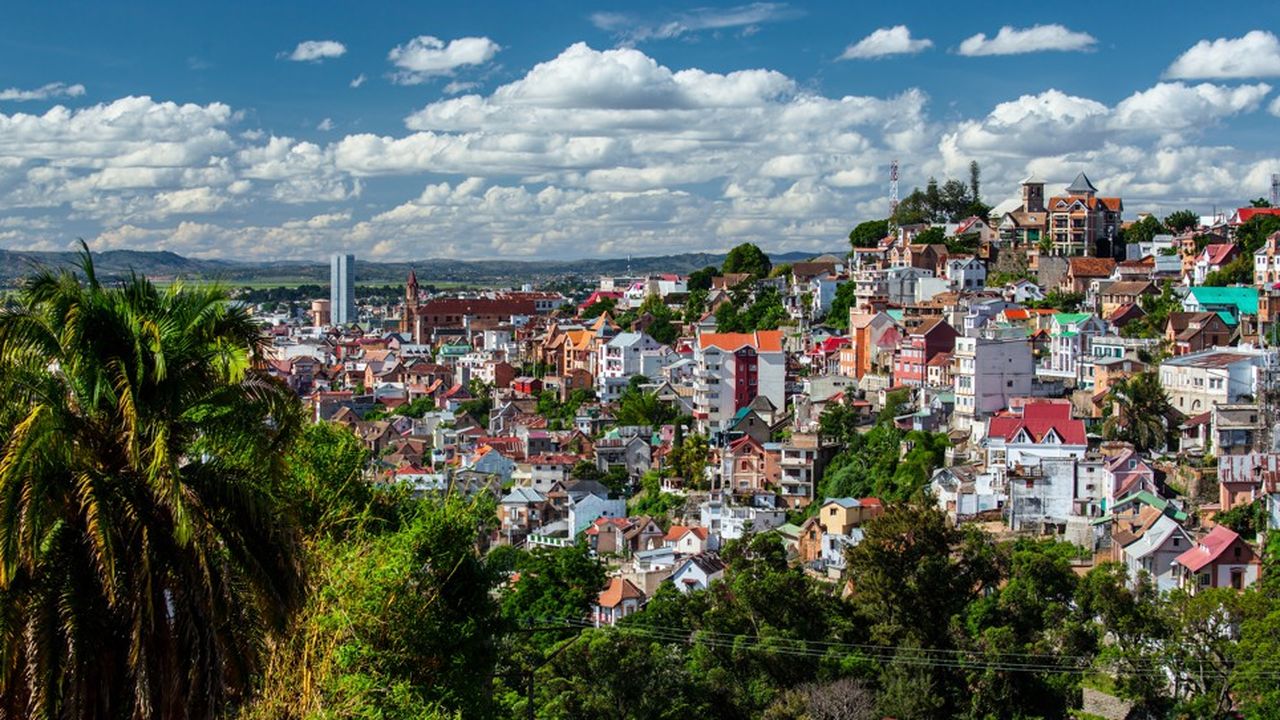
Madagascar is a vast island nation off Africa’s southeastern coast, renowned for its extraordinary biodiversity and distinct cultural heritage. Separated from the African mainland for millions of years, Madagascar evolved unique ecosystems found nowhere else on Earth. Long shaped by agriculture, trade, and periodic political instability, the country is working to balance conservation, development, and economic resilience.
Madagascar at a Glance
Capital: Antananarivo
Population: ~31–32 million
Official Languages: Malagasy, French
Government: Semi-presidential republic
Economy: Agriculture-led with mining, textiles, and services
Key Strengths: Biodiversity, fertile land, strategic Indian Ocean location
Regional Role: Indian Ocean ecological and agricultural hub
Why Madagascar Matters
Madagascar matters because of its global environmental significance and growing population. Home to a large share of the world’s endemic species, the island plays a critical role in biodiversity conservation and climate resilience. At the same time, its agricultural potential, young population, and Indian Ocean location position it as an important—if underutilized—economic actor in the region.
Geography and Location
Madagascar is located in the Indian Ocean, about 400 kilometers off Africa’s southeastern coast, separated from Mozambique by the Mozambique Channel.
The island’s geography is highly varied, featuring central highlands, rainforests in the east, dry forests and spiny deserts in the south, and long coastlines to the west and north. This diversity supports agriculture and wildlife but also complicates infrastructure development.
People and Society
Madagascar has a population of approximately 31–32 million people, shaped by African, Austronesian, Arab, and European influences. Malagasy identity reflects centuries of migration and cultural blending.
Malagasy is spoken nationwide, while French is widely used in administration, education, and business. Christianity is practiced by much of the population, alongside traditional beliefs.
Most Malagasy people live in rural areas and depend on agriculture for their livelihoods, making poverty reduction and rural development central social priorities.
A Brief Historical Context
Madagascar was settled more than a millennium ago by seafarers from Southeast Asia and migrants from Africa, creating a unique cultural synthesis. Over time, kingdoms emerged, most notably the Merina Kingdom in the central highlands.
France colonized Madagascar in 1896. The country gained independence in 1960, followed by periods of political experimentation, centralized rule, and recurrent political crises. These disruptions have periodically slowed economic and institutional development.
Government and Politics
Madagascar is a semi-presidential republic with a history of political volatility. Elections are held regularly, but governance challenges, institutional weakness, and political contestation remain persistent features of national life.
Stability and reform are central to attracting investment and advancing development goals.
Economy: Agriculture, Resources, and Opportunity
Madagascar’s economy is driven primarily by agriculture, which employs the majority of the population. Key products include rice, vanilla, cloves, and coffee. The country is the world’s leading producer of natural vanilla.
Other important sectors include:
Mining (nickel, cobalt, graphite)
Textiles and apparel
Fisheries
Tourism
Economic priorities focus on diversification, infrastructure, and improving livelihoods, particularly in rural areas.
Trade, Diplomacy, and Regional Influence
Madagascar is a member of the African Union, the Southern African Development Community (SADC), and the Indian Ocean Commission. Its Indian Ocean location links it to African, Asian, and island economies.
The country plays an important role in regional environmental and maritime cooperation.
Tourism and Natural Heritage
Tourism in Madagascar is centered on nature and adventure. Highlights include the Avenue of the Baobabs, the limestone formations of Tsingy de Bemaraha, rainforests filled with endemic wildlife, and beach destinations such as Nosy Be.
Eco-tourism holds significant potential, though infrastructure, access, and conservation pressures remain challenges.
Safety and Travel Considerations
Madagascar is generally accessible for travelers, particularly in established tourist areas. Infrastructure limitations, health considerations, and occasional political unrest require advance planning and local guidance.
Culture and Daily Life
Malagasy culture places strong emphasis on family, ancestry, and tradition. Music, dance, and oral storytelling are central to social life, alongside rituals honoring ancestors.
Daily life often revolves around farming, markets, and community gatherings, reflecting deep ties to land and heritage.
Sports and National Identity
Football is the most popular sport in Madagascar and a growing source of national pride. Traditional sports and community competitions also contribute to social cohesion.