
What You Need to Know
Gabon is a resource-rich nation on Central Africa’s Atlantic coast, known for its dense rainforests, small population, and significant oil wealth. With more than 80 percent of its land covered by forest, Gabon is one of Africa’s most environmentally rich countries. Long shaped by hydrocarbons and a strong centralized state, Gabon is now navigating political transition while seeking to diversify its economy and position itself as a global leader in conservation and sustainable development.
Gabon at a Glance
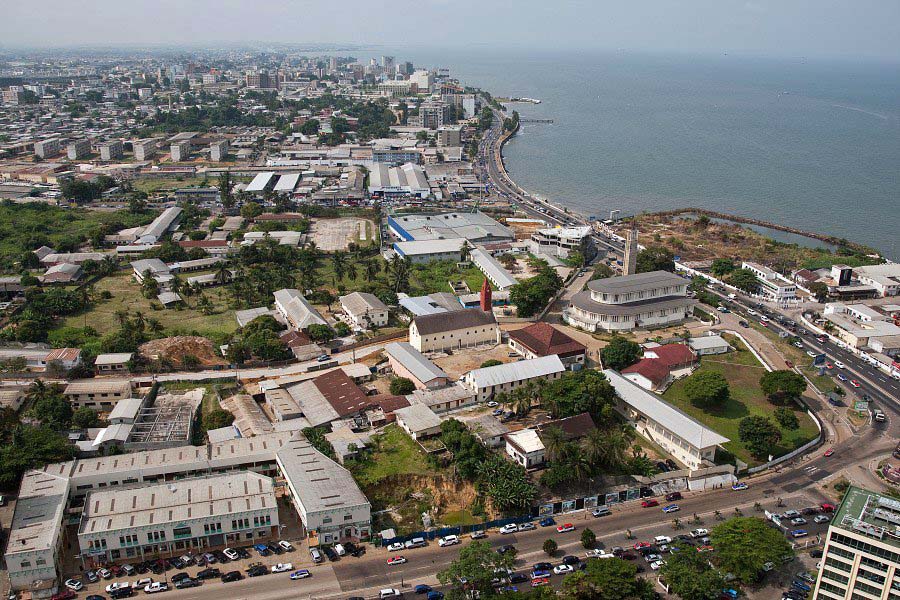
Capital: Libreville
Population: ~2.4–2.5 million
Official Language: French
Government: Presidential republic
Economy: Oil-led with growing focus on diversification
Key Strengths: Oil and gas, forests, biodiversity, political continuity
Regional Role: Stable Central African coastal state and environmental leader
Why Gabon Matters
Gabon matters for its natural wealth and environmental significance. Home to vast rainforests that form part of the Congo Basin, Gabon plays an important role in global climate and biodiversity protection. Its political and economic choices—particularly around conservation, resource management, and diversification—offer important lessons for balancing growth with environmental stewardship in Africa.
Geography and Location
Gabon is located in Central Africa, bordered by Equatorial Guinea to the northwest, Cameroon to the north, the Republic of the Congo to the east and south, and the Atlantic Ocean to the west.
The country is dominated by tropical rainforest, rivers, and coastal plains. Its geography supports rich biodiversity and underpins sectors such as forestry, conservation, and eco-tourism. Low population density has helped preserve large tracts of natural habitat.
People and Society
Gabon has a relatively small population of approximately 2.4–2.5 million people, with a high rate of urbanization. Most citizens live in cities such as Libreville and Port-Gentil.
The population is ethnically diverse, with Fang, Punu, Nzebi, and other groups contributing to cultural life. French is the official language and widely used in education, government, and media. Christianity is the dominant religion, often practiced alongside traditional beliefs.
Compared with many African countries, Gabon has relatively high income levels, though inequality remains a challenge.
A Brief Historical Context
Before European colonization, Gabon was home to various Bantu-speaking communities engaged in trade and regional exchange. France established control over the territory in the late 19th century, incorporating it into French Equatorial Africa.
Gabon gained independence in 1960. For decades after independence, the country experienced political continuity under centralized leadership, supported by oil revenues that enabled relative economic stability.
In recent years, Gabon has entered a period of political transition, reshaping its governance landscape and prompting renewed discussion about institutions, transparency, and economic reform.
Government and Politics
Gabon is a presidential republic with a historically strong executive branch. Political power has long been centralized, and institutions have been shaped by decades of continuity.
Recent political developments have placed governance reform, institutional strengthening, and public accountability at the center of national debate, with regional and international attention focused on the country’s transition.
Economy: Oil, Forests, and Diversification
Gabon’s economy has been driven primarily by oil and gas, which account for the majority of export earnings and government revenue. Timber, manganese, and other natural resources also play important roles.
To reduce dependence on hydrocarbons, Gabon has prioritized diversification, with growing emphasis on:
Sustainable forestry and timber processing
Mining and value addition
Agriculture and food security
Eco-tourism and conservation-based industries
Environmental protection and climate leadership are central to Gabon’s long-term development strategy.
Trade, Diplomacy, and Regional Influence
Gabon is a member of the Economic and Monetary Community of Central Africa (CEMAC), the African Union, and other regional bodies. Its Atlantic ports and relative stability support regional trade and cooperation.
The country has positioned itself as a regional advocate for forest conservation and climate finance.
Tourism and Natural Heritage
Gabon is emerging as a destination for high-end eco-tourism. National parks such as Loango and Ivindo are known for rare wildlife encounters, including elephants on beaches and pristine rainforest ecosystems.
Tourism remains limited by infrastructure and access, but conservation-led tourism is a growing priority.
Safety and Travel Considerations
Gabon is generally considered stable, particularly in major cities. Infrastructure is strongest in urban and coastal areas. Travelers are advised to plan carefully when visiting remote forest regions and follow local guidance.
Culture and Daily Life
Gabonese culture reflects deep connections to the forest, music, ritual, and oral traditions. Art, dance, and storytelling remain important expressions of identity.
Daily life is largely urban-centered, with strong reliance on public services and informal markets.
Sports and National Identity
Football is the most popular sport in Gabon and a key source of national pride. The national team and domestic competitions play an important role in social life and youth engagement.