
What You Need to Know
Cameroon is often described as “Africa in miniature” because of its extraordinary geographic, cultural, and linguistic diversity. Located at the crossroads of West and Central Africa, Cameroon combines rainforests, savannahs, mountains, and Atlantic coastline within one country. Long shaped by agriculture, energy resources, and a complex colonial legacy, Cameroon plays a significant role in regional trade and security while navigating political continuity and social pressures.
Cameroon at a Glance
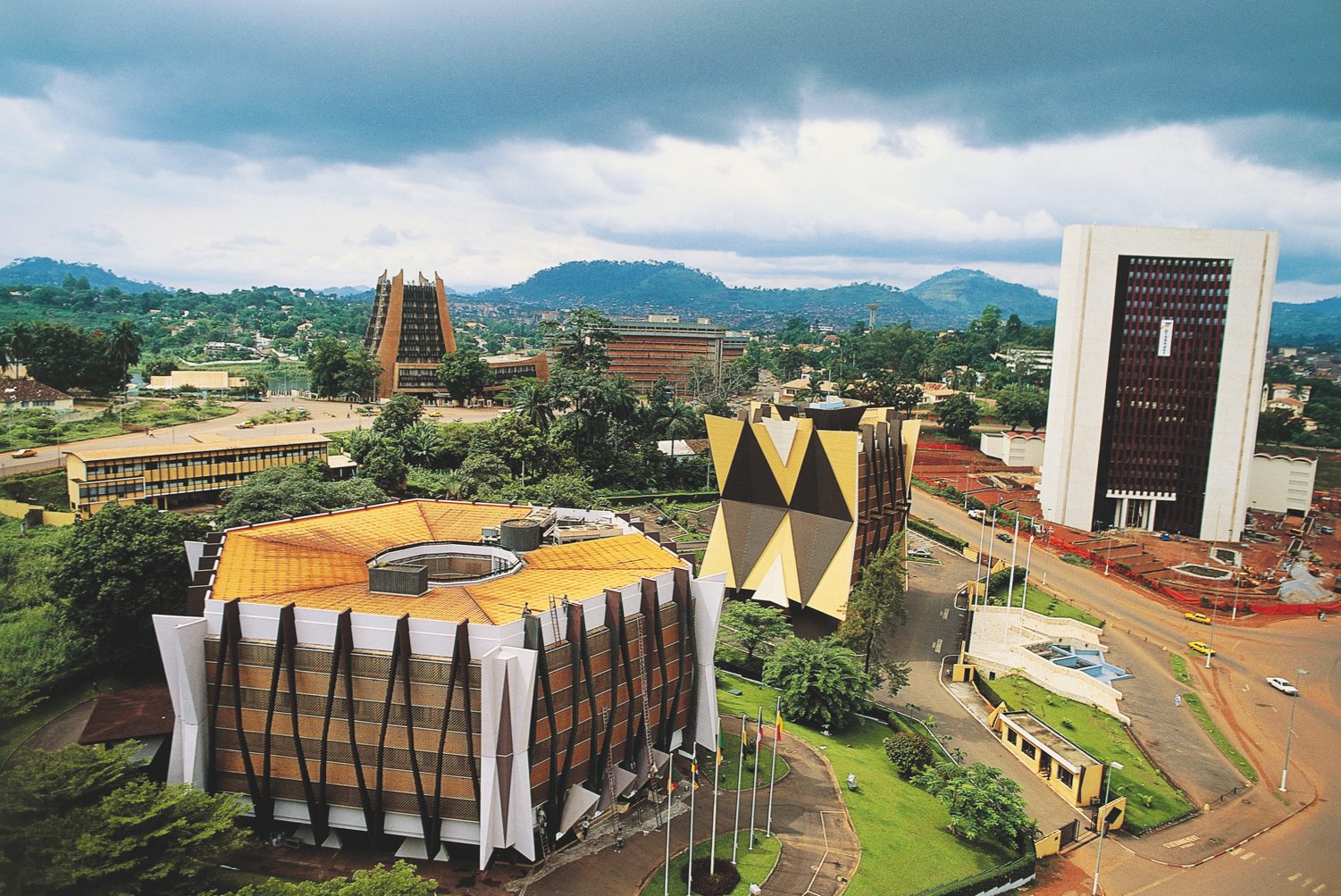
Capital: Yaoundé
Population: ~28–29 million
Official Languages: English, French
Government: Presidential republic
Economy: Agriculture- and energy-led with growing services sector
Key Strengths: Diverse geography, agricultural production, oil and gas, regional trade hub
Regional Role: Bridge between West and Central Africa
Why Cameroon Matters
Cameroon’s strategic location and diversity make it a linchpin in regional stability and commerce. As a transport and logistics hub serving several landlocked Central African countries, Cameroon is essential to regional supply chains. Its agricultural output and energy resources further reinforce its importance, while its bilingual identity gives it a unique role in regional diplomacy.
Geography and Location
Cameroon is located in Central Africa, bordered by Nigeria to the west, Chad to the northeast, the Central African Republic to the east, and Equatorial Guinea, Gabon, and the Republic of the Congo to the south. The Atlantic Ocean lies to the southwest, anchoring the country’s key port city of Douala.
The country’s landscapes range from coastal plains and tropical rainforests to highland plateaus and the volcanic Mount Cameroon, the highest peak in West and Central Africa. This geographic diversity shapes climate patterns, agriculture, and settlement.
People and Society
Cameroon has a population of approximately 28–29 million people and is one of Africa’s most culturally diverse countries, with hundreds of ethnic groups and languages. This diversity is reflected in traditions, music, cuisine, and social life.
English and French are both official languages, a legacy of British and French colonial administration. Christianity and Islam are the dominant religions, often practiced alongside traditional belief systems.
Urban centers such as Douala and Yaoundé continue to grow rapidly, creating both economic opportunity and pressure on infrastructure and public services.
A Brief Historical Context
Pre-colonial Cameroon was home to numerous kingdoms and trading societies. In the late 19th century, the territory became a German colony before being divided between Britain and France after World War I.
Cameroon gained independence in 1960 (French-administered areas) and 1961 (British-administered areas), later unifying into a single state. This dual colonial legacy shaped the country’s bilingual identity and political structure.
Since independence, Cameroon has experienced long periods of political continuity under strong centralized leadership. In recent years, tensions related to governance and regional grievances—particularly in the English-speaking regions—have posed challenges to national cohesion.
Government and Politics
Cameroon is a presidential republic with a highly centralized executive branch. The president holds significant authority, and political power has remained concentrated for decades.
While multiparty elections are held, political competition and media freedom are limited. Addressing governance reform and regional grievances remains one of the country’s most pressing political challenges.
Economy: Agriculture, Energy, and Trade
Cameroon has one of Central Africa’s more diversified economies. Agriculture employs a large share of the population and produces key exports such as cocoa, coffee, cotton, bananas, and timber.
Oil and gas contribute significantly to government revenue, while services and manufacturing play a growing role in urban economies. Development priorities include:
Modernizing agriculture and agro-processing
Expanding energy and transport infrastructure
Strengthening manufacturing and services
Supporting private-sector growth
Cameroon’s ports and transport corridors are vital for regional trade.
Trade, Diplomacy, and Regional Influence
Cameroon is an active member of the Economic and Monetary Community of Central Africa (CEMAC), the African Union, and other regional bodies. Its ports, particularly Douala, serve as gateways for landlocked neighbors such as Chad and the Central African Republic.
The country plays an important role in regional security cooperation and economic integration in Central Africa.
Tourism and Natural Assets
Cameroon offers exceptional natural and cultural tourism potential, from wildlife reserves such as Waza National Park to Mount Cameroon’s volcanic landscapes and coastal attractions near Limbe.
Tourism remains underdeveloped relative to potential, constrained by infrastructure and security concerns, but continues to attract adventure and eco-tourism interest.
Safety and Travel Considerations
Travel conditions vary significantly by region. Major cities and tourist areas are generally accessible, while parts of the Far North and English-speaking regions face heightened security risks. Travelers are advised to follow official guidance and local updates closely.
Culture and Daily Life
Cameroonian culture is vibrant and diverse, expressed through music, dance, fashion, and cuisine. The country has made significant contributions to African popular culture, particularly in music and sport.
Family and community networks are central to daily life, and informal markets play a major role in urban and rural economies.
Sports and National Identity
Football is the most popular sport in Cameroon and a powerful symbol of national pride. The national team, known as the Indomitable Lions, is among Africa’s most successful, uniting Cameroonians across regions and the diaspora.