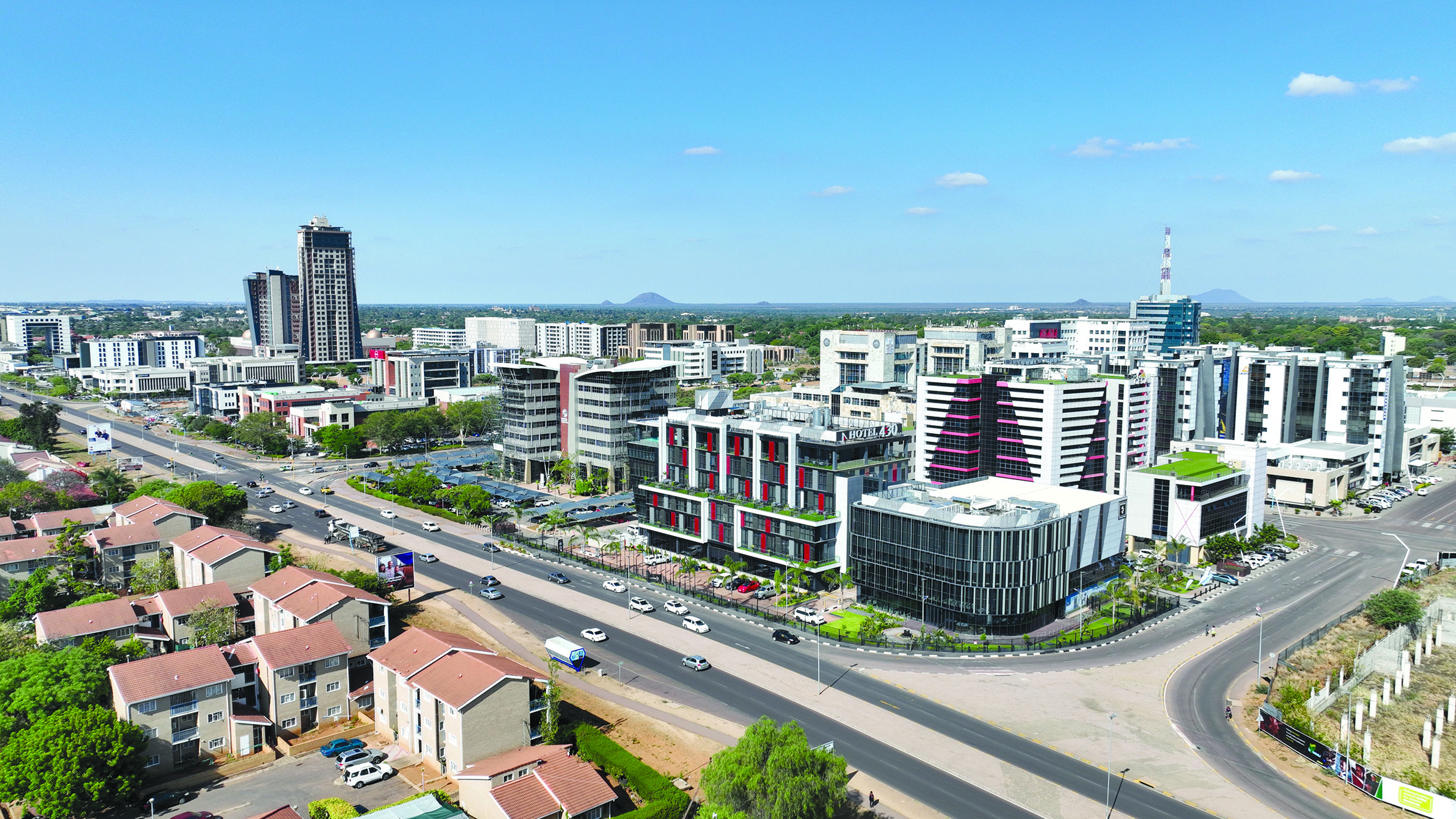

What You Need to Know
Botswana is widely regarded as one of Africa’s most stable and well-governed nations. Landlocked in Southern Africa, Botswana has built a strong reputation for prudent economic management, democratic continuity, and effective use of natural resources. Long associated with diamond wealth, the country is now focused on diversification, sustainability, and maintaining high standards of governance in a changing global economy.
Botswana at a Glance
Capital: Gaborone
Population: ~2.6–2.7 million
Official Language: English
Government: Parliamentary republic
Economy: Diamond-led with diversification underway
Key Strengths: Political stability, sound institutions, diamonds, conservation leadership
Regional Role: Stable democratic anchor in Southern Africa
Why Botswana Matters
Botswana stands out in Africa for its consistent democratic record and effective public institutions since independence. Its ability to translate natural resource wealth into long-term development—while avoiding many of the pitfalls associated with resource dependence—has made Botswana a reference point for governance, transparency, and fiscal discipline across the continent.
Geography and Location
Botswana is located in Southern Africa, bordered by South Africa, Namibia, Zimbabwe, and Zambia. Much of the country is covered by the Kalahari Desert, giving Botswana a semi-arid climate and low population density.
Despite its dry landscape, Botswana is home to some of Africa’s most remarkable ecosystems. The Okavango Delta, one of the world’s largest inland deltas, transforms seasonal floodwaters into a vast wetland that supports extraordinary biodiversity. These geographic contrasts shape settlement patterns, agriculture, and tourism.
People and Society
Botswana has a population of approximately 2.6–2.7 million people and is relatively sparsely populated. The majority of citizens identify as Tswana, alongside minority ethnic communities that contribute to the country’s cultural diversity.
English is the official language, while Setswana is widely spoken and central to national identity. Christianity is the predominant religion, often practiced alongside traditional beliefs.
Botswana’s small population and strong investment in public services have supported high levels of social cohesion and comparatively strong human development outcomes.
A Brief Historical Context
Before colonial rule, the area that is now Botswana was home to Tswana chiefdoms with established systems of governance and trade. In the late 19th century, the territory became the British Protectorate of Bechuanaland, largely to prevent regional expansion by neighboring colonial powers.
Botswana gained independence in 1966 as one of the world’s poorest countries. Soon after, the discovery of diamonds transformed the national economy. Through careful partnership arrangements and disciplined public financial management, Botswana used diamond revenues to invest in infrastructure, education, and health.
This post-independence trajectory laid the foundation for Botswana’s reputation as one of Africa’s most successful development stories.
Government and Politics
Botswana is a parliamentary republic with a long history of regular elections and peaceful transfers of power. The political system emphasizes rule of law, an independent judiciary, and relatively strong checks on executive authority.
While debates continue around political reform and economic inclusion, Botswana remains one of Africa’s most consistently democratic states, with high levels of institutional continuity and public trust.
Economy: Diamonds and Diversification
Botswana’s economy has been driven for decades by diamond mining, which accounts for a significant share of government revenue and exports. Diamonds have enabled substantial public investment and fiscal stability.
To reduce reliance on mining, Botswana has prioritized diversification, with growing focus on:
Tourism, particularly high-value eco-tourism
Financial and professional services
Beef production and agriculture
Renewable energy and innovation
Maintaining fiscal discipline and adapting to a future beyond diamonds remain central policy goals.
Trade, Diplomacy, and Regional Influence
Botswana is an active member of the Southern African Development Community (SADC) and the African Union. It is respected regionally for its principled foreign policy, commitment to multilateralism, and constructive role in regional diplomacy.
Though landlocked, Botswana’s strong trade ties with neighboring countries support regional economic integration.
Tourism and Conservation Leadership
Tourism is one of Botswana’s most important growth sectors. The country is globally recognized for its conservation-first approach, emphasizing low-volume, high-value tourism.
Major attractions include the Okavango Delta, Chobe National Park, Moremi Game Reserve, and the Makgadikgadi salt pans. Botswana’s wildlife protection policies have positioned it as a global leader in conservation and sustainable tourism.
Safety and Travel Considerations
Botswana is generally considered one of Africa’s safest destinations. Infrastructure is reliable in major towns and tourist areas, though travel in remote regions often requires specialized vehicles and experienced guides.
Visitors are advised to plan carefully and follow local guidance when traveling in wildlife and wilderness areas.
Culture and Daily Life
Botswana’s culture places strong emphasis on community, consultation, and respect for tradition. Music, storytelling, and ceremonies remain important aspects of social life.
Education and health outcomes are among the strongest in the region, reflecting long-term public investment and policy continuity.
Sports and National Identity
Football is the most popular sport in Botswana, alongside athletics and traditional games. Sport plays an important role in youth engagement and national identity, complementing the country’s strong sense of civic pride.